





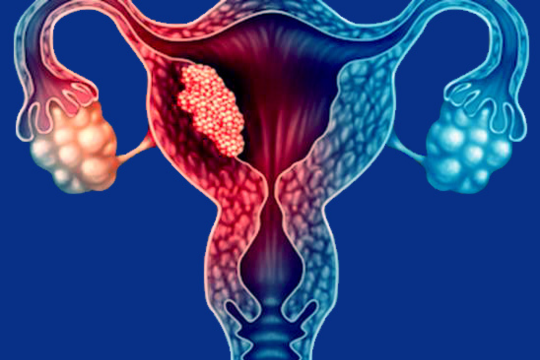
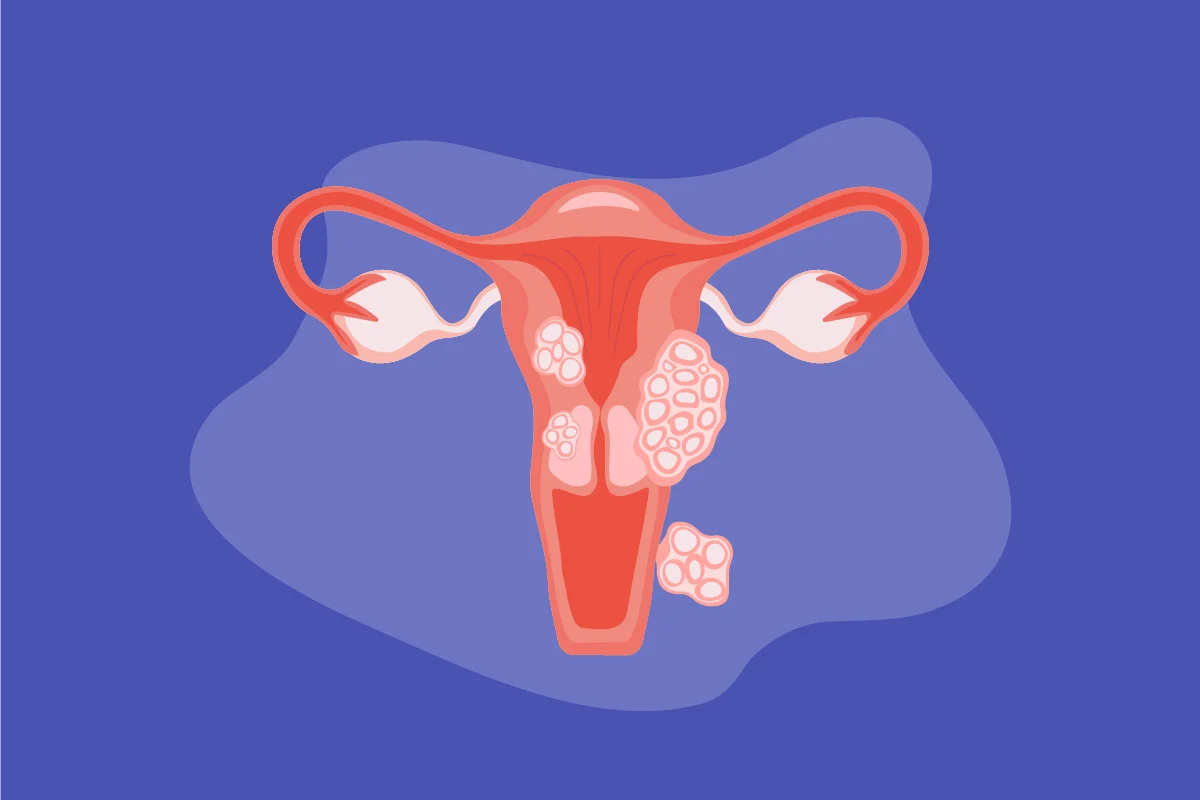
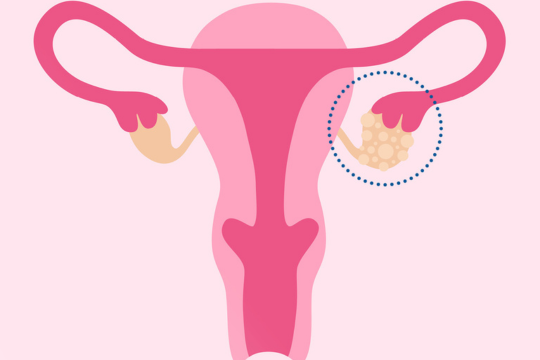
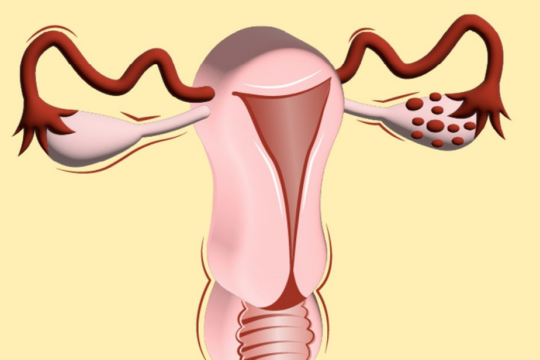

Egg freezing, medically known as oocyte cryopreservation, is a fertility preservation technique that allows a woman to freeze and store unfertilized eggs for potential use in the future. It may be considered by women who want to delay pregnancy, preserve fertility before certain medical treatments, or keep more reproductive options open for the future.
With advances in reproductive medicine and vitrification technology, egg freezing has become an established fertility preservation option. However, it is important to understand that freezing eggs does not guarantee a future pregnancy. The woman’s age at the time of freezing, ovarian reserve, number of mature eggs collected, laboratory factors, and future reproductive factors can all influence the outcome.
What Is Egg Freezing?
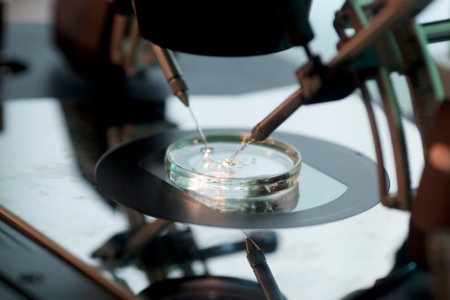
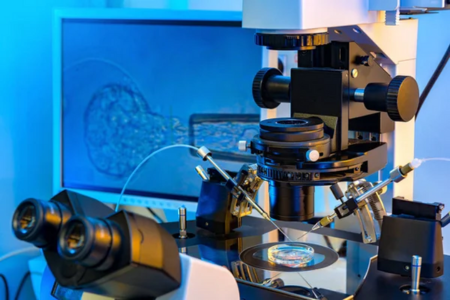
Egg freezing involves stimulating the ovaries to develop multiple follicles, retrieving mature eggs, and rapidly freezing suitable eggs for future use.
Unlike embryo freezing, the eggs are not fertilized before they are frozen. When she is ready to pursue pregnancy, the eggs can be thawed, fertilized, and used to create embryos through an IVF treatment cycle.
Why Do Women Freeze Their Eggs?
There are several reasons why a woman may consider egg freezing:
- To Delay Pregnancy
Some women may want to postpone pregnancy because of personal, educational, career, relationship, or financial considerations.
- Before Certain Medical Treatments
Some cancer treatments and other medical therapies can affect ovarian function and fertility. In appropriate cases, fertility preservation may be considered before treatment begins.
- To Preserve Fertility Earlier in Life
Female fertility generally changes with age, particularly because both egg number and egg quality can decline over time. Freezing eggs at a younger age may provide a better chance of having usable eggs available later, although outcomes vary from person to person.
- Personal Family-Planning Goals
Some women may not be ready to start a family today but may want to preserve reproductive options for the future.
How Does Egg Freezing Work?
The egg-freezing process usually involves several stages:
Step 1: Fertility Evaluation
Before treatment begins, a fertility specialist evaluates reproductive health and ovarian reserve.
Step 2: Ovarian Stimulation
Fertility medications are used to stimulate the ovaries so that multiple follicles can develop.
Step 3: Trigger Medication
Once the follicles have developed appropriately, a trigger medication is administered to support final egg maturation.
Step 4: Egg Retrieval
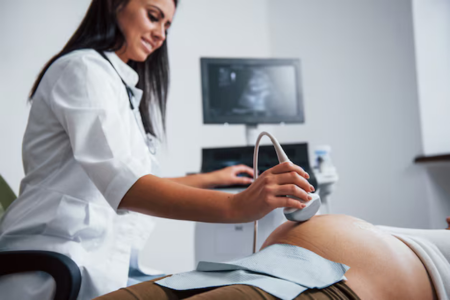
Egg retrieval is a short procedure performed under appropriate anesthesia or sedation. Using ultrasound guidance, the doctor retrieves fluid from the ovarian follicles through a fine needle.
Step 5: Vitrification
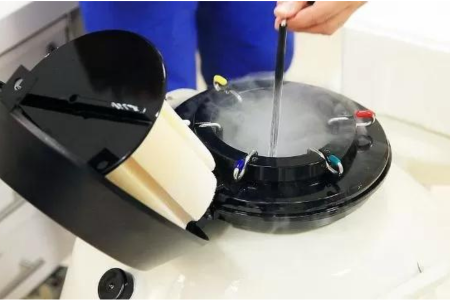
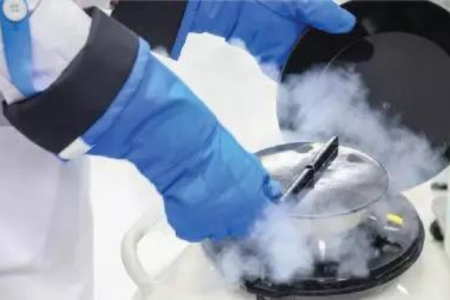
Suitable mature eggs are preserved using vitrification, a rapid-freezing technique, and stored in specialized cryogenic conditions.
What Is the Best Age to Freeze Eggs?
There is no single age that is ideal for every woman. However, age is an important factor in egg freezing outcomes because egg quantity and quality generally decline with increasing age.
A fertility specialist may consider age, ovarian reserve, menstrual and reproductive history, medical history, previous ovarian surgery or treatment, future family-building plans, and expected response to ovarian stimulation.
How Many Eggs Should Be Frozen?
There is no number of eggs that can guarantee a future pregnancy or baby.
Not every frozen egg will necessarily:
- Survive thawing
- Fertilize successfully
- Develop into an embryo
- Implant successfully
- Result in a pregnancy or live birth
For this reason, individual circumstances and expected outcomes should be discussed with a fertility specialist.
Benefits of Egg Freezing
Egg freezing may offer several potential benefits:
- Preserves Unfertilized Eggs: Eggs can be preserved for potential future use.
- Provides Greater Reproductive Flexibility: Women may have another fertility-preservation option if they are not currently ready to pursue pregnancy.
- Future Sperm Selection: Because the eggs are not fertilized when frozen, the decision regarding sperm can be made later.
- Fertility Preservation Before Some Treatments: Egg freezing may be considered before treatments that could affect fertility.
Are There Risks of Egg Freezing?
Egg freezing is an established fertility preservation procedure, however some things need to be kept in mind.
Possible considerations include:
- Abdominal bloating or discomfort
- Excess eggs growing
- Risks associated with egg retrieval
- The possibility that some eggs may not survive thawing
- The possibility that eggs may not fertilize or develop into suitable embryos
- The possibility that treatment may not result in pregnancy
However, these risks can be minimised and your fertility consultant will explain your individual risk after considering various factors. Overall, it is an established procedure which is helping several women across the globe.
Egg Freezing vs. Embryo Freezing
The main difference is whether fertilization has already occurred.
Egg Freezing | Embryo Freezing |
Unfertilized eggs are frozen | Fertilized eggs that have developed into embryos are frozen |
Sperm is not required at the time of freezing | Sperm is required to create the embryo |
Fertilization takes place in the future | Embryo has already been created |
May provide flexibility regarding future sperm use | Embryo creation involves a sperm source at the time of treatment |
The most appropriate option depends on reproductive goals, medical situation, and personal circumstances.
Who Should Consider Egg Freezing?
Egg freezing may be worth discussing with a fertility specialist if you:
- Want to postpone pregnancy
- Are concerned about age-related fertility decline
- Are planning a medical treatment that may affect fertility
- Have concerns regarding your ovarian reserve
- Want to explore fertility-preservation options
- Would like personalized information about your future reproductive potential
Egg Freezing at Silver Lining IVF & Endoscopy Centre, Pune
At Silver Lining IVF & Endoscopy Centre, Hadapsar, Pune, fertility preservation is among the reproductive-care services offered by the centre. The clinic describes its approach as individualized, combining fertility care, advanced reproductive technology, embryology services, and patient-focused support.
Meet Dr. Mrinmayi Dharmadhikari
Dr. Mrinmayi Dharmadhikari, M.S., DNB (Obstetrics & Gynaecology), MRCOG (UK), is the Clinical Director & Senior IVF Consultant at Silver Lining IVF & Endoscopy Centre.
For women considering egg freezing, consulting an experienced fertility specialist can help them understand their ovarian reserve, treatment options, expected response, and the factors that may influence future outcomes.
Final Thoughts
Egg freezing can give women an opportunity to preserve some of their reproductive options for the future. However, it should not be viewed as a guarantee of future pregnancy.
The decision to freeze eggs should be based on individual factors such as age, ovarian reserve, medical history, reproductive goals, and expected treatment outcomes.
Visit your fertility consultant and know your individual benefits and success of egg freezing.
Silver Lining IVF & Endoscopy Centre
Near Hadapsar Post Office, Bhosale Nagar, Hadapsar, Pune
Phone: 78238 41120
Email: info@silverliningivf.com
Medical Disclaimer: This article is intended for educational purposes only and should not replace personalized medical advice, diagnosis, or treatment. Egg-freezing outcomes vary between individuals. Consult a qualified fertility specialist for advice based on your medical history and fertility goals.