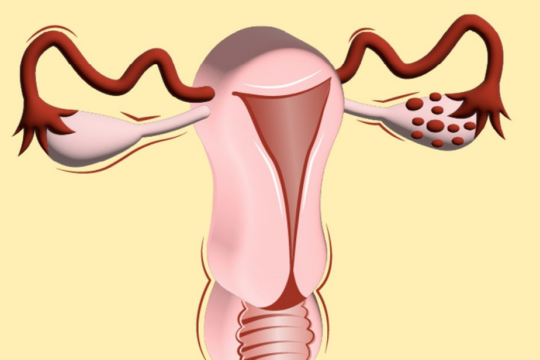
Women with fibroids may have trouble getting pregnant or keeping a successful pregnancy going. Our gynecology and fertility specialists have extensive expertise treating fibroids in women who wish to become pregnant now or in the future.
What are Uterine Fibroids?
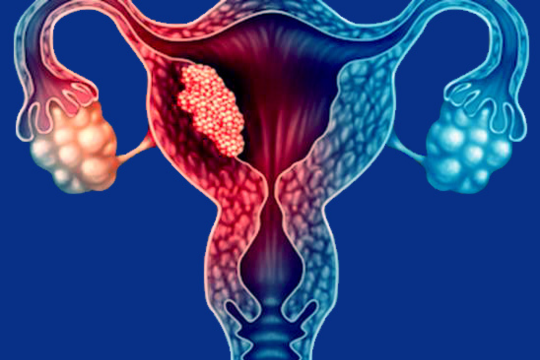
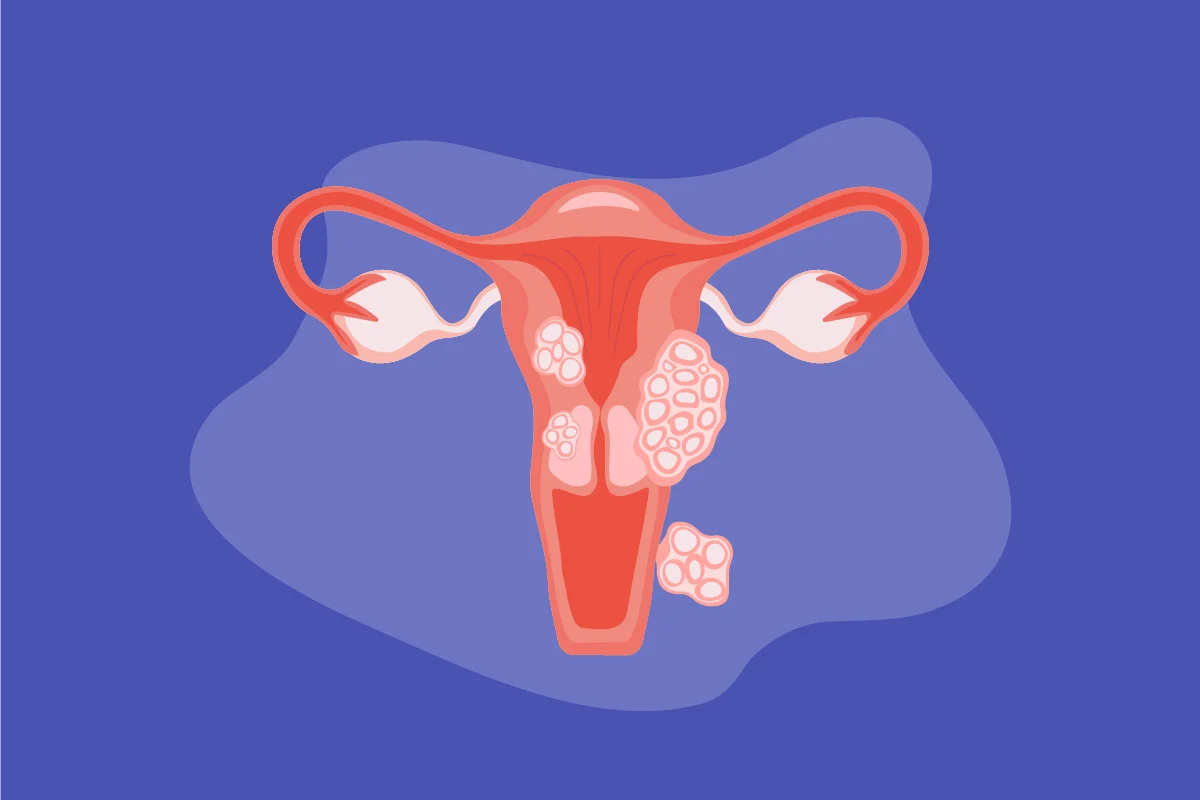
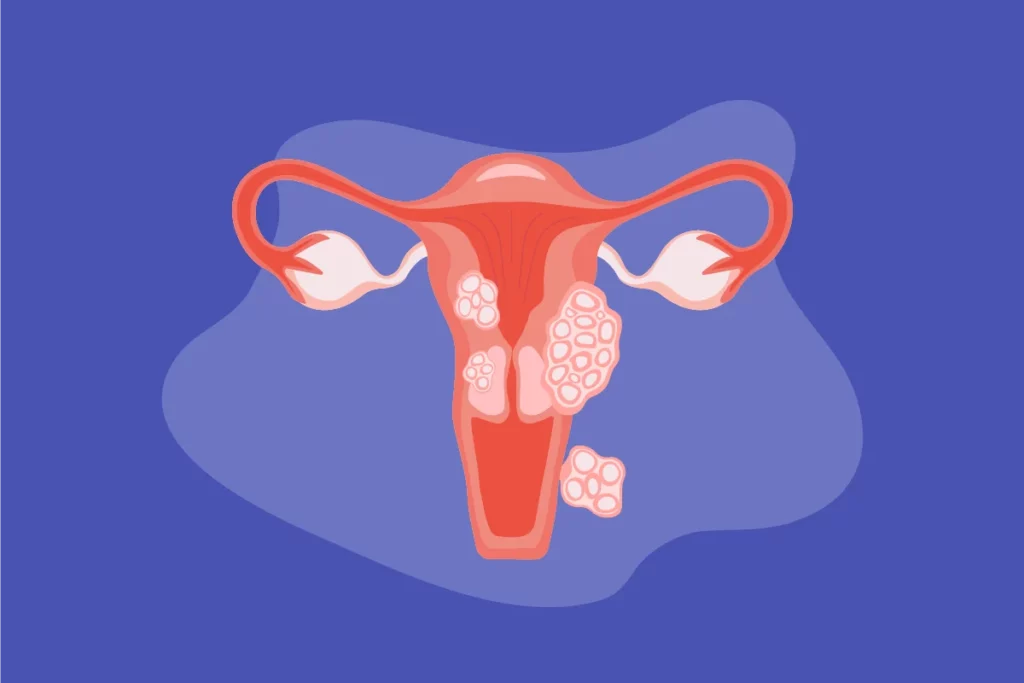
Uterine fibroids, also known as myomas or leiomyomas, are non-cancerous tumors that develop in or around the uterus. Though benign, these growths can cause discomfort and other health complications. Fibroids are common in women during their reproductive years and can vary in size and number, growing along the uterine wall or into the uterus itself.
Who Gets Fibroids?
Fibroids are prevalent, with over 30% of women developing them at some point, most commonly between the ages of 30 and 50. Factors such as obesity and elevated estrogen levels increase the likelihood of fibroids forming. Interestingly, women who have had one or more pregnancies have a reduced risk of developing fibroids.
Causes for Uterine Fibroids to Grow
Hormone Factor
Estrogen and progesterone, hormones that stimulate the uterine lining, promote fibroid growth.
Genetic Changes
Alterations in genes can contribute to the development of fibroids.
Growth Factors
Proteins involved in tissue maintenance can affect fibroid growth.
Pregnancy
During pregnancy, hormone levels rise, which may cause fibroids to grow.
Symptoms of Fibroids
Heavy or prolonged menstrual bleeding
Menstrual periods lasting more than seven days
A bloated feeling in the lower abdomen
Pelvic pain or pressure
Constipation
Frequent urination
Pain during sexual intercourse
Difficulty conceiving or infertility
Reproductive issues such as miscarriage or preterm delivery
Fibroid treatment at Silver Lining
Following your initial examination, we will assess how fibroids may be affecting your fertility and collaborate to develop a personalized treatment plan. Our goal is to enhance your chances of a successful pregnancy by recommending the most effective options, which may include:
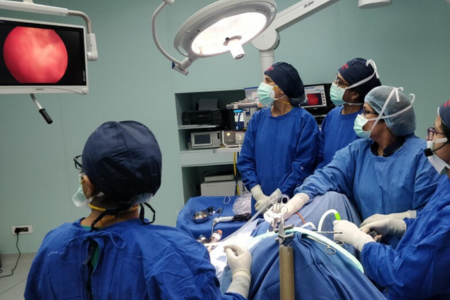
Laparoscopy (Keyhole Surgery): A minimally invasive procedure to view and treat fibroids, reducing recovery time while ensuring precise removal.
Myomectomy: The surgical removal of fibroids while preserving the uterus, a procedure often recommended for women planning future pregnancies.
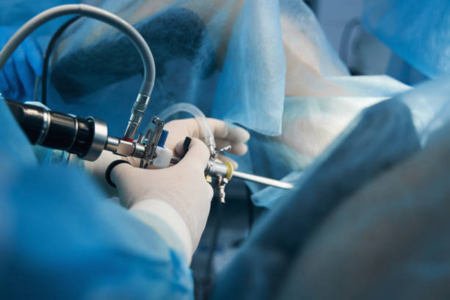
Hysteroscopy: A detailed examination of the womb using a specialized instrument to assess and remove fibroids, restoring uterine health.
Choose your best Infertility Centre for IVF Treatment