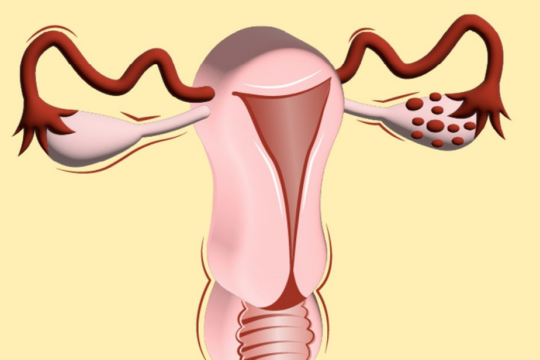
Our expertise lies on promptly identifying, treating, and managing patients with polycystic ovaries. In order to reduce the symptoms of PCOS and lessen its negative effects on your daily life and fertility, our skilled specialists will design a personalized treatment plan just for you.
What is PCOS?
Polycystic Ovary Syndrome (PCOS) is a hormonal disorder common among women of reproductive age. It affects the ovaries’ ability to release eggs regularly, often leading to infertility and other health complications.
Symptoms of PCOS
Irregular periods
Excessive hair growth on the back, face, and stomach
Male-pattern baldness
Severe acne
Weight gain
Infertility
Emotional challenges like depression and anxiety
Difference Between PCOS & PCOD
PCOS
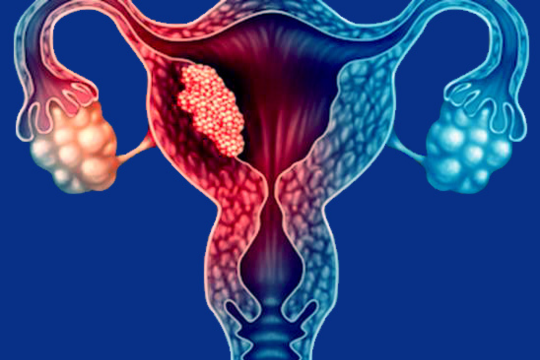
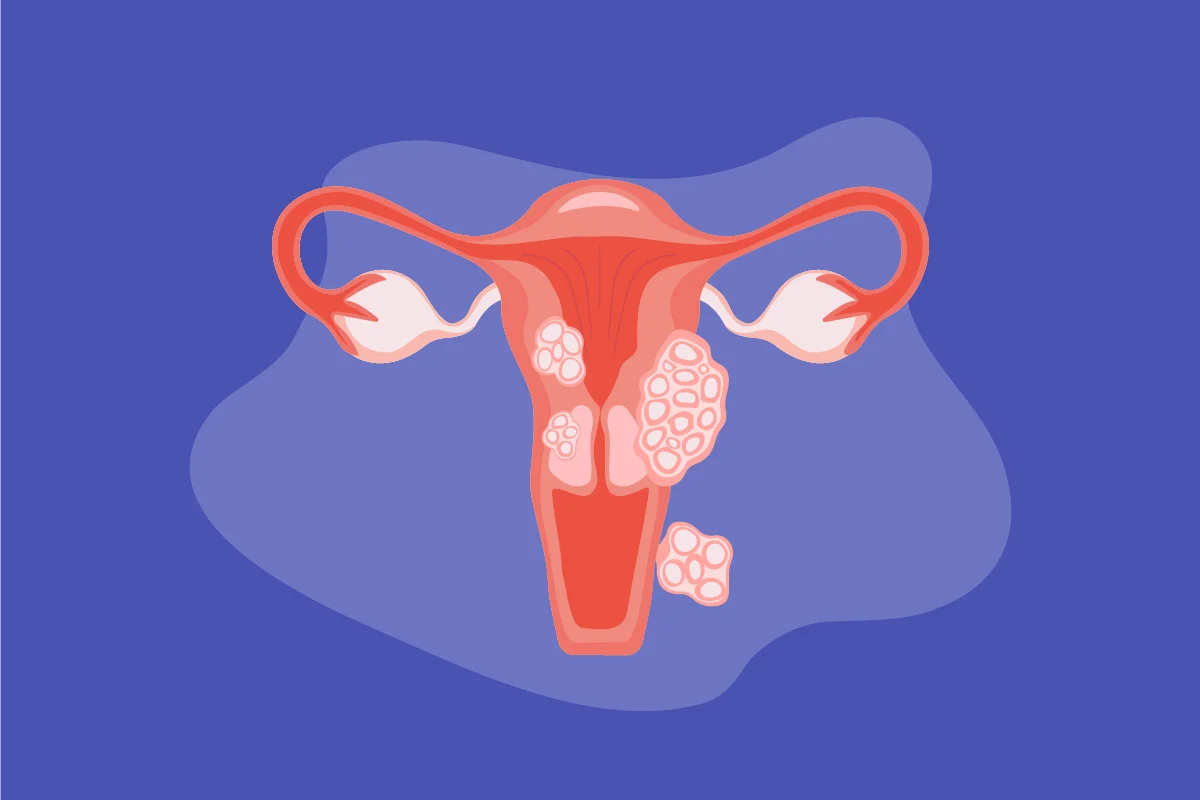
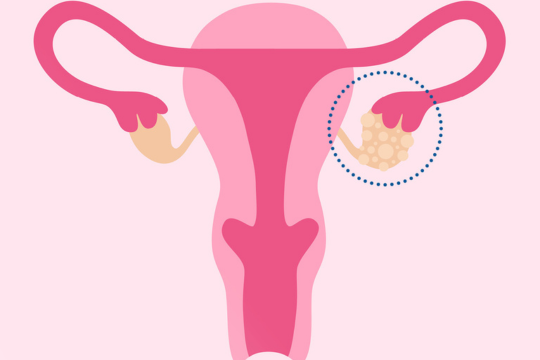
An endocrine disorder where ovaries produce higher levels of androgen, leading to disrupted egg development. Cysts develop in the ovaries and impact ovulation.
PCOD
A condition caused by hormonal imbalance where eggs accumulate in the ovaries, becoming cysts. PCOD shares symptoms with PCOS but is generally less severe. PCOS has more serious implications for fertility and health.
PCOS and Infertility
PCOS Infertility Management
Weight Management: Reducing weight by 5-10% can significantly improve fertility, as maintaining a healthy weight before pregnancy decreases pregnancy-related complications.
Estimating Ovulation: Monitoring ovulation through transvaginal ultrasound helps track the best time to conceive.
Ovulation Induction: If lifestyle changes do not improve fertility, medications like Letrozole, Clomiphene Citrate, and Metformin can stimulate ovulation. This should only be done under medical supervision.
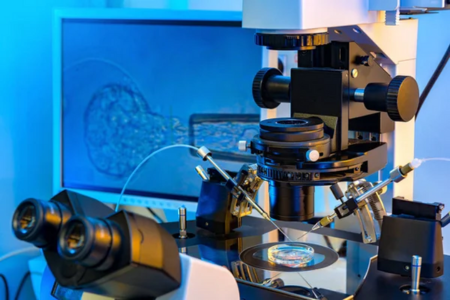
Assisted Reproductive Technology (ART): IVF (In Vitro Fertilization) may be recommended if other treatments are unsuccessful. This process involves fertilizing an egg in the lab and implanting it in the uterus.
Ovarian Drilling: A minimally invasive surgical procedure where small holes are drilled into the ovaries to restore ovulation and reduce male hormone levels. This is considered when other treatments fail.
Diagnosing PCOS
Before doing any tests or procedures to find out if you have PCOS, we thoroughly examine your medical history and symptoms.
In addition to reducing symptoms, an early diagnosis and treatment can lower the chance of developing chronic conditions like type 2 diabetes, heart disease, and permanent infertility.
PCOS Diagnostic Tests at Silver Lining
To accurately diagnose PCOS, a range of tests may be recommended by your gynecologist:
Pelvic Examination: A manual and visual inspection of the reproductive organs to detect abnormalities.
Ultrasound: An imaging test to check the appearance of the ovaries, including the thickness of the uterine lining and the presence of ovarian cysts.
Blood Tests: These assess hormone levels, glucose tolerance, and other key indicators of PCOS.
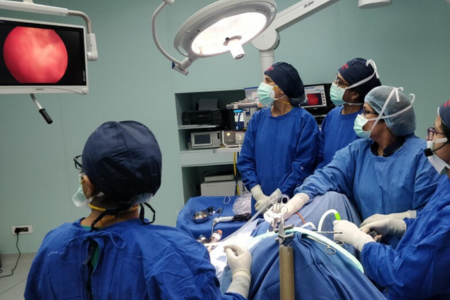
Laparoscopy: A minimally invasive procedure that allows the gynecologist to view the ovaries and other pelvic organs for a clearer diagnosis.
MRI Scan: Offers detailed images of the reproductive organs to assess the extent of cysts and any associated complications.
Treating PCOS
For women who want to become pregnant, specialized treatment is crucial because untreated PCOS can result in permanent infertility. We provide a customized treatment and maintenance strategy based on your needs after PCOS is diagnosed. Your doctors will walk you through every option, and our caring care professionals will provide you with ongoing support and aftercare.
Making lifestyle adjustments, such keeping a healthy weight, is essential for PCOS management. These modifications can aid in reestablishing ovulation and enhancing fertility by lowering insulin and testosterone levels. Taking care of PCOS is essential for long-term health, even if you’re not trying to get pregnant or have reached the end of your reproductive journey. Our advisors are available to assist you in better comprehending the problem and formulating plans to promote your general health.
Choose your best Infertility Centre for IVF Treatment