





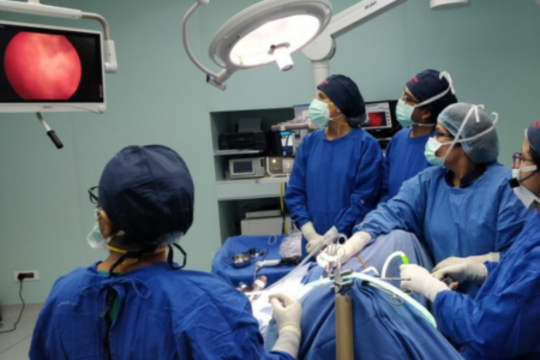

Hysteroscopy - Minimally Invasive Procedure
Silver Lining’s advanced hysteroscopy procedure ensures precise diagnosis and treatment with minimal recovery time, enhancing patient comfort.
What is Hysteroscopy?
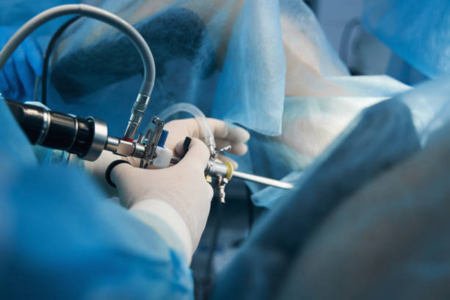
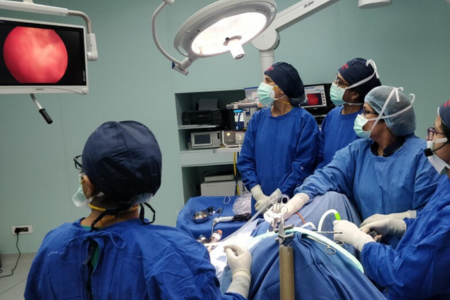
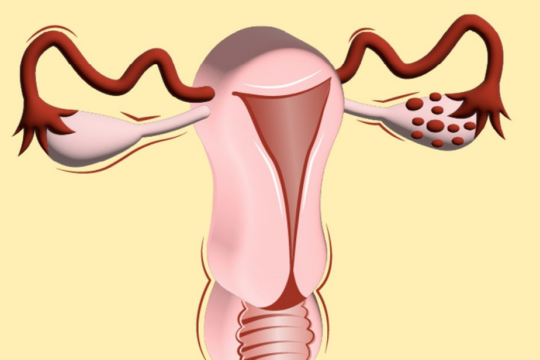
Hysteroscopy is a minimally invasive procedure that allows doctors to examine the inside of the uterus using a thin, lighted tube called a hysteroscope. This procedure is used to diagnose and treat uterine conditions, providing a clear view of the uterine lining and fallopian tube openings, without the need for large incisions.
When is Hysteroscopy Recommended?
Abnormal Bleeding
To determine the cause of irregular or heavy menstrual bleeding.
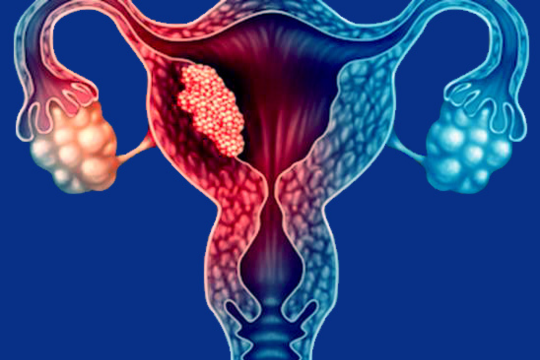
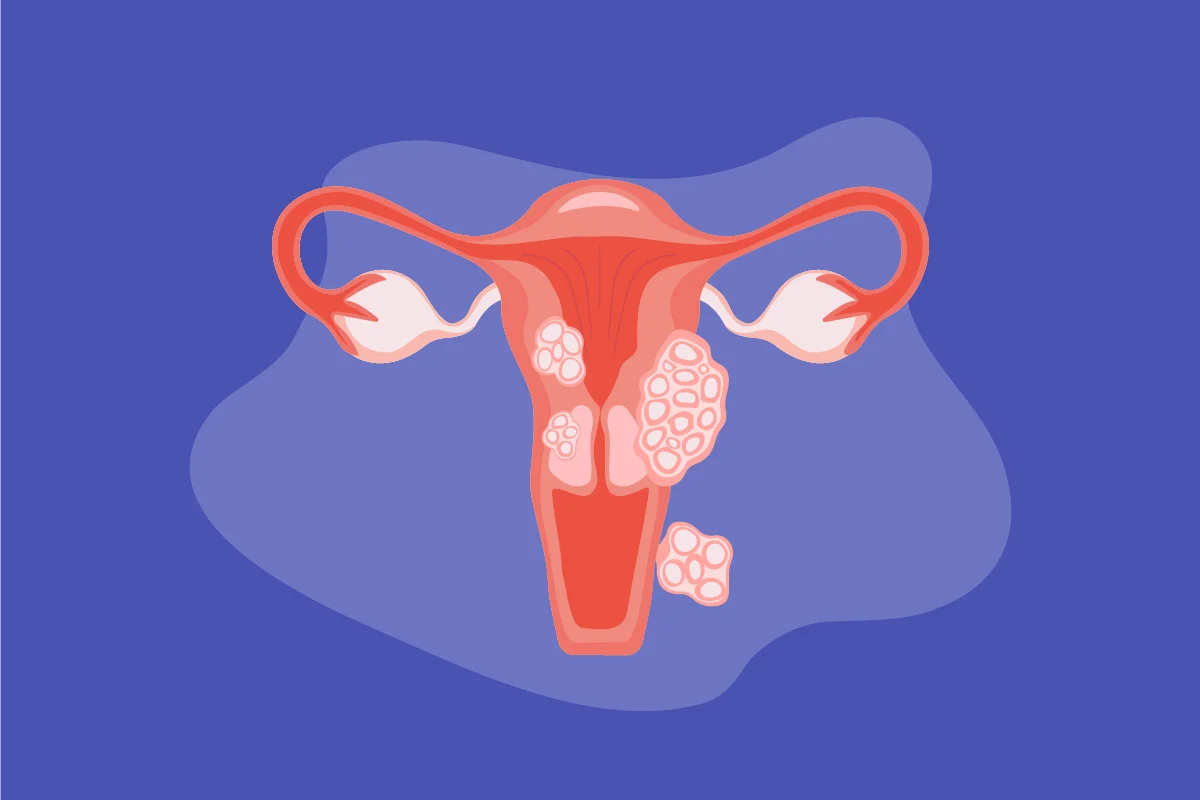
Polyps and Fibroids
To remove growths like polyps and fibroids inside the uterus that can cause pain or infertility.
Septum
To identify and correct uterine septum, a congenital anomaly that may cause miscarriages.
Adhesions
To treat uterine adhesions (Asherman’s syndrome) that may cause infertility or abnormal menstrual flow.
How is a Hysteroscopy Performed?
Hysteroscopy is usually performed in the following steps:
- Use of Sedatives: Before the procedure, you may be prescribed sedatives to help you relax.
- Scheduling: The procedure is often scheduled for one week after your period for the best view of the uterine lining.
- Anesthesia: Depending on the procedure’s complexity, your gynecologist may choose general or local anesthesia.
Hysteroscopy Process
Benefits of Hysteroscopy
- Faster Recovery: The minimally invasive nature of the procedure allows for a quicker recovery time.
- Shorter Hospital Stay: Most patients can go home the same day, avoiding a prolonged hospital stay.
- Less Pain Post-Surgery: There is minimal discomfort after the procedure, reducing the need for strong pain medication.
- Avoidance of Open Surgery: Many conditions that previously required open abdominal surgery can now be treated with hysteroscopy, minimizing surgical risks.