






Advanced Laparoscopy - Determining the obstacle to getting pregnant

What is Laparoscopy Surgery?

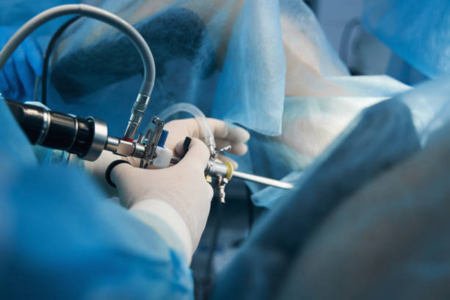
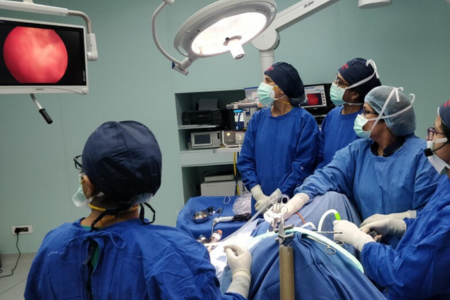
Laparoscopy, also known as keyhole surgery, is a minimally invasive procedure that allows doctors to examine and treat issues inside the pelvis through small incisions. Using a laparoscope (a thin tube with a camera), doctors can diagnose and treat various gynecological and infertility-related conditions without the need for large cuts, offering patients quicker recovery times and fewer complications.

When is Laparoscopy Recommended?

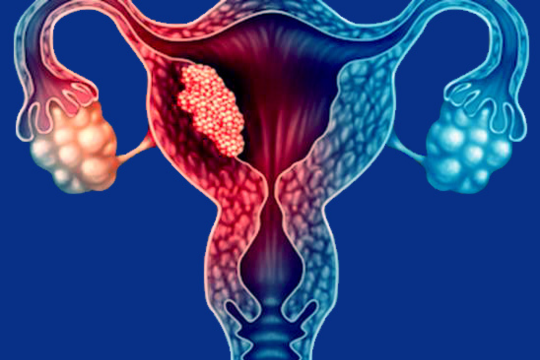
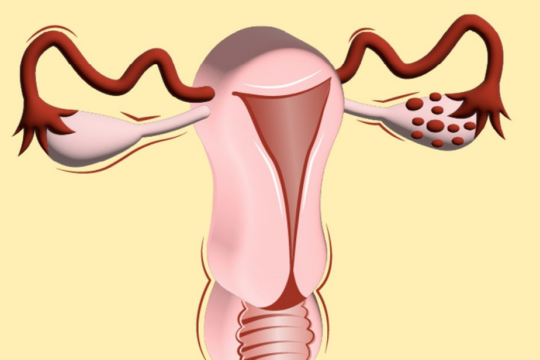
PCOS (Polycystic Ovarian Syndrome)

To evaluate and treat ovarian abnormalities caused by PCOS.

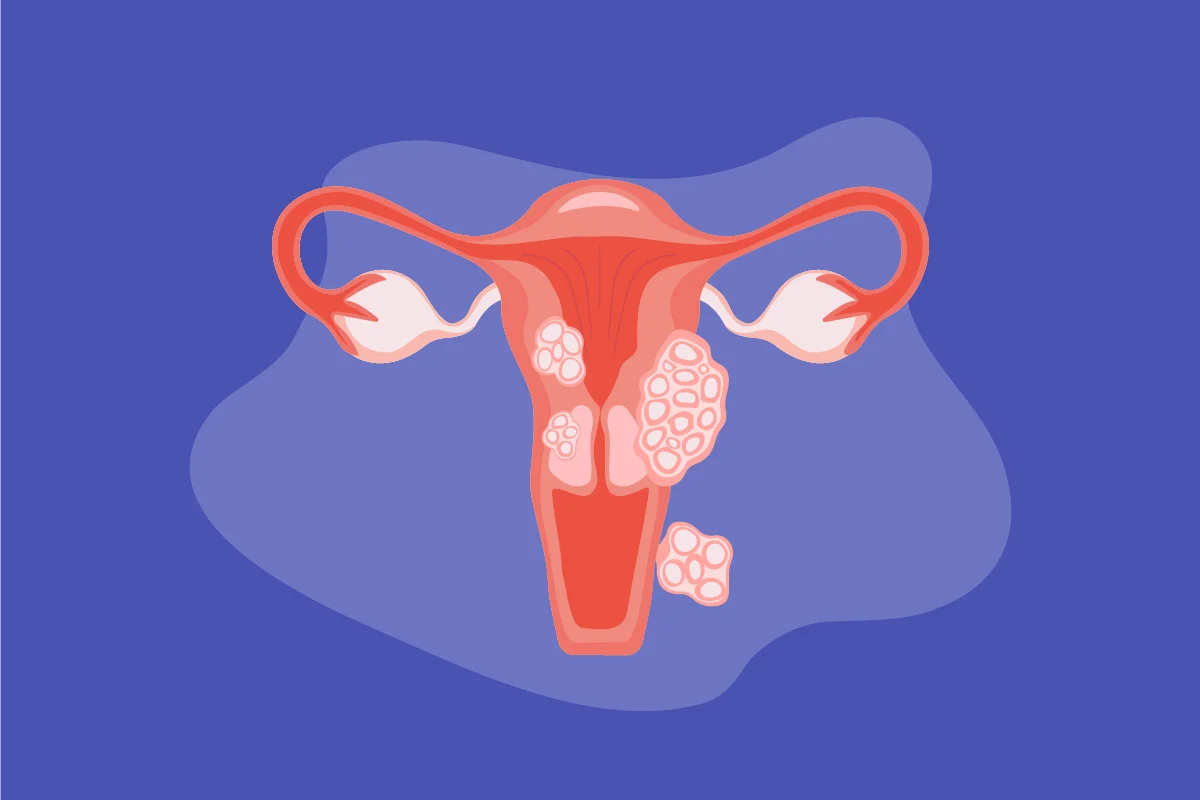
Fibroids Blocking the Fallopian Tubes

To remove fibroids that may interfere with fertility or cause symptoms.

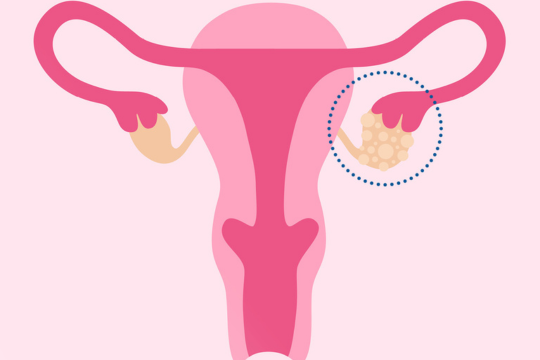
Ovarian Cysts

To remove large or painful cysts from the ovaries.

Endometrial Deposits

To treat endometriosis, where tissue similar to the uterine lining grows outside the uterus, causing pain and infertility.

Diagnostic Laparoscopy

Checking for Tubal Blockage
Evaluating whether fallopian tubes are open or blocked, affecting fertility.

Investigating Causes of Pelvic Pain
Identifying the sources of chronic pelvic discomfort.

Evaluating Ovaries for Cysts or Adhesions
Assessing ovarian health and looking for adhesions that might impair fertility.

Assessing Pelvic Endometrial Growth
Detecting and diagnosing endometriosis or related conditions.

Examining the Uterus for Fibroids
Visualizing fibroids that could affect conception or pregnancy.

Operative Laparoscopy

Removing Scar Tissue
Alleviating pain and improving fertility outcomes by excising scar tissue.
Treating Ovarian Tumors and Cysts
Removing abnormal growths from the ovaries to restore ovarian function.
Correcting Fallopian Tube Blockages
Opening or repairing fallopian tubes to enhance fertility.
Removing Uterine Fibroids
Treating fibroids while preserving uterine structure for future pregnancies.
Diagnosing & Treating Ectopic Pregnancy
Safely managing pregnancies occurring outside the uterus.

Benefits of Laparoscopic Surgery for Infertility

  • Smaller Incisions: Laparoscopy requires only small cuts, reducing the risk of infection and visible scarring.
  • Minimal Blood Loss: The precision of laparoscopy results in less blood loss during the procedure.
  • Reduced Postoperative Discomfort: Patients experience less pain compared to traditional surgery, enhancing overall recovery.
  • Quicker Recovery Time: Patients can return to normal activities faster, typically within a few days, enabling a shorter hospital stay.

IVF at Silver Lining

We spend time with every patient getting to know their needs 

We believe that every patient’s fertility journey is unique, and so is our approach to care. We provide 1-to-1 individualized fertility treatment plans based upon specific medical history, needs, and aspirations. From the initial consultation to each step of the IVF process, we ensure that you receive personal attention and dedicated care from our experienced fertility specialists.

Our consultants provide a special blend of fertility and gynecology.

Our deep expertise in the field ensures that each patient benefits from the latest advancements in IVF technology and fertility care. With a reputation for excellence and a proven track record of successful outcomes, we combine clinical expertise with compassionate care to guide you every step of the way.

We focus not only on the medical aspects of IVF but also on the emotional well-being of our patients

Our team is committed to creating a supportive, stress-free environment where patients can feel comfortable and confident. We integrate the latest scientific advancements with compassionate, patient-centered care, providing you with a pathway to parenthood that is as seamless as possible.